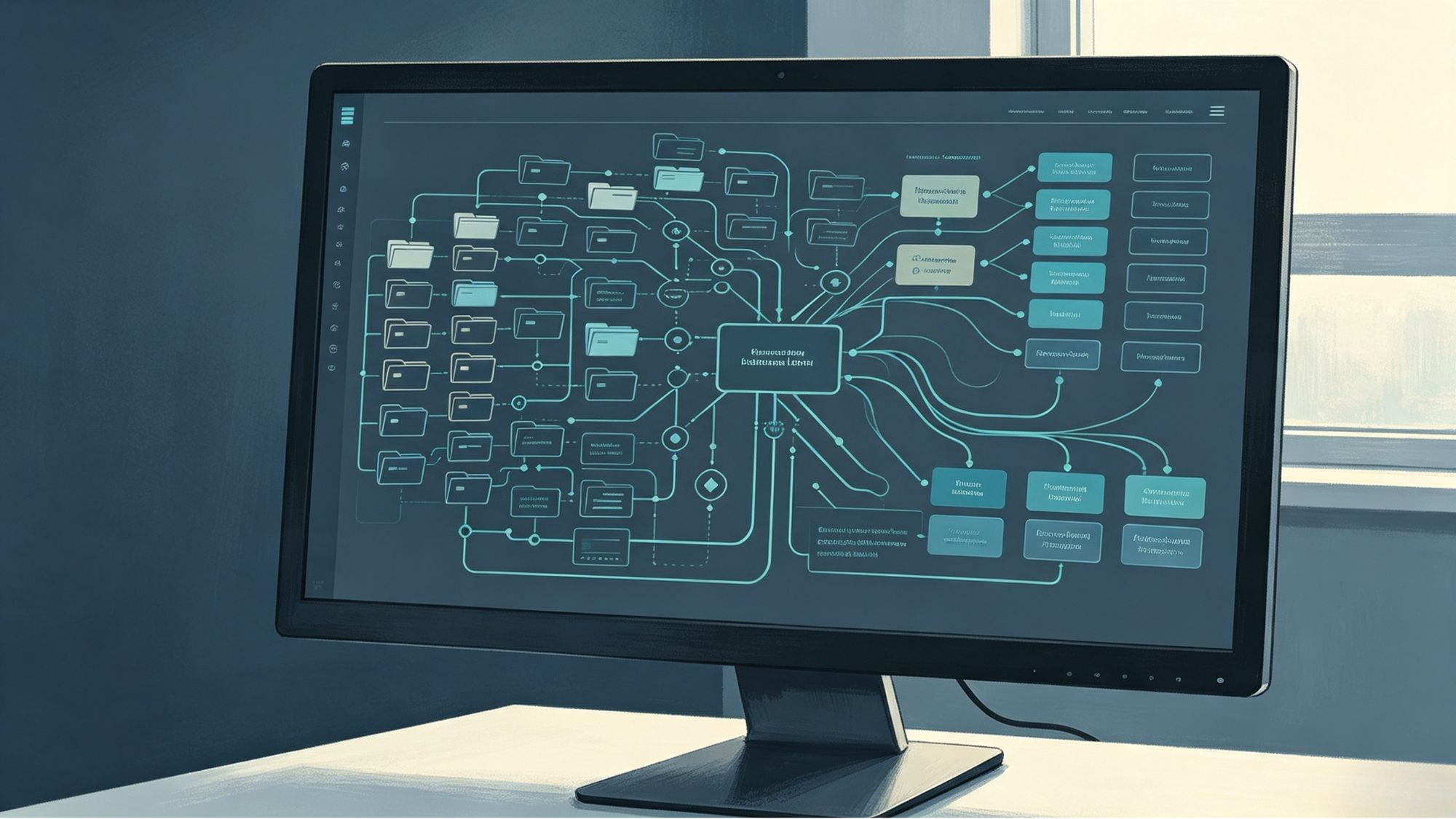
Information has become easier to collect than ever. Professionals regularly save articles, download research papers, bookmark tutorials, and capture ideas from countless digital sources. However, having access to large amounts of information does not automatically make that information useful.
A common challenge in modern digital work is turning collected material into knowledge that can be easily found and applied later. Many personal knowledge systems begin as simple note collections but gradually become difficult to navigate because information is stored without a clear purpose or structure.
Building a personal knowledge system (PKS) that remains useful over time requires more than simply collecting notes. A sustainable approach focuses on easy retrieval, flexible organization, and regular maintenance so that stored information continues to support future projects and decisions.
One of the most common mistakes when creating a personal knowledge system is spending too much time designing the structure before adding meaningful content.
Users may create complicated folder systems, detailed tagging rules, or elaborate templates in an attempt to build the perfect setup. While organization is helpful, excessive planning can create unnecessary complexity before the system has enough information to support those decisions.
A rigid structure can also become difficult to maintain as interests and responsibilities change.
For example, a folder created for a specific project may make sense today, but years later the same information may become useful in a completely different context. If important ideas are locked into overly narrow categories, discovering connections between topics becomes more difficult.
A flexible knowledge system focuses less on predicting every future category and more on making information easy to understand, connect, and retrieve.
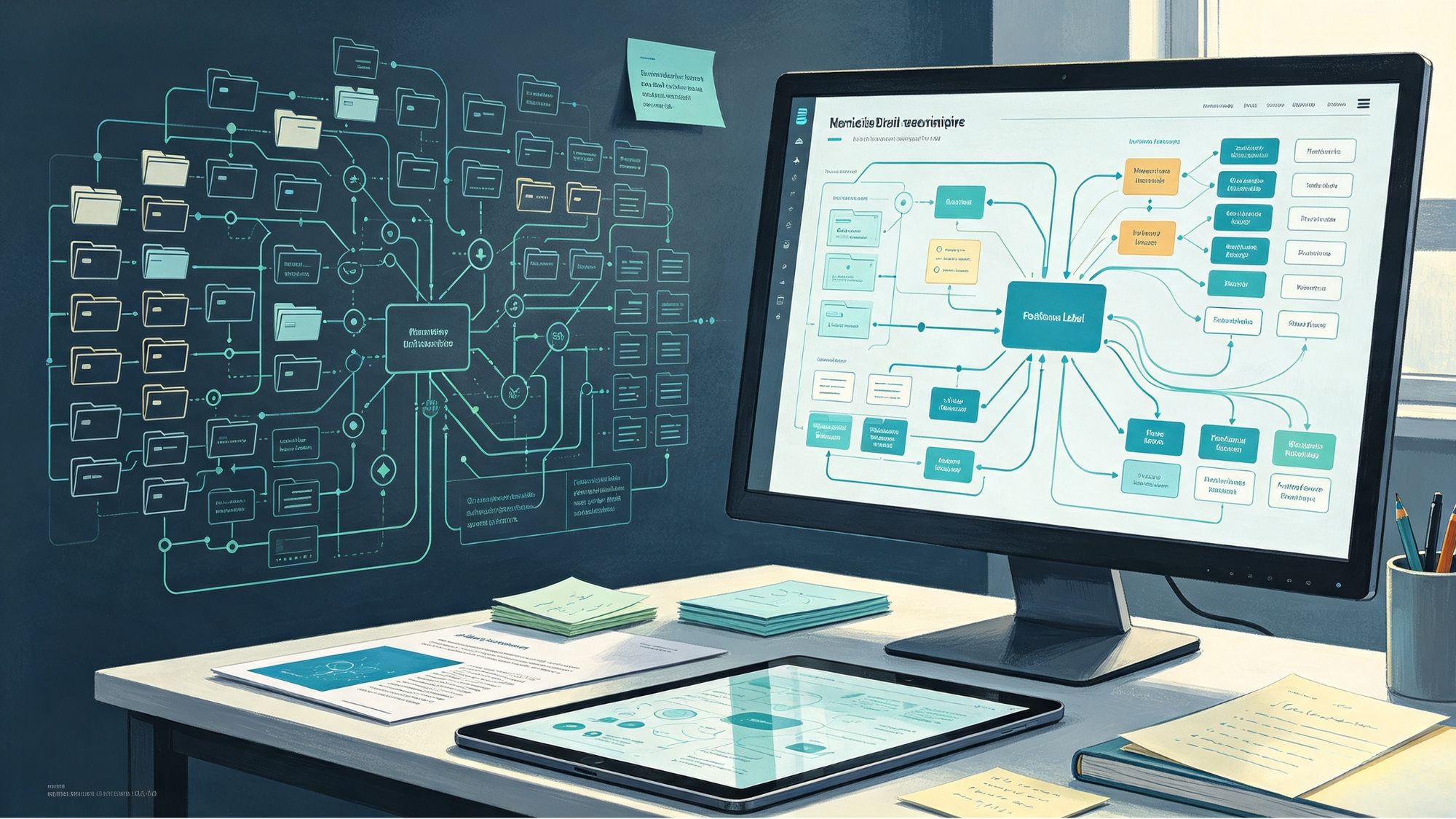
A long-lasting personal knowledge system often benefits from three practical principles:
Clear and focused notes
Portable file formats
Regular review and refinement
These principles help prevent a knowledge archive from becoming an inactive storage area.
A useful note usually focuses on one main idea or concept rather than attempting to store an entire topic in a single large document.
For example, instead of creating one extremely long summary of a book, users can separate important concepts, observations, examples, and lessons into individual notes.
This modular approach makes information easier to reuse. A concept originally discovered during research for one project may later become valuable for another task, such as writing, planning, problem-solving, or decision-making.
Smaller, focused notes also make it easier to update information without rewriting an entire document.
Digital tools change frequently. Applications may discontinue features, change pricing models, or use different storage formats over time.
Using portable formats can reduce dependence on a single application. Plain-text formats such as Markdown (.md) are commonly used because they are simple, readable, and supported by many different tools.
A knowledge system built around portable files allows users to move between applications more easily and maintain access to their information across different platforms.
However, the best format depends on individual needs. Some users may prefer specialized note applications because they provide additional features such as databases, collaboration, or advanced search.
The key principle is ensuring that important information remains accessible and manageable.
Not every piece of information needs to be processed in the same way.
When saving an article, research paper, or reference material, immediately rewriting everything can create unnecessary work. Instead, users can gradually refine information:
Save the original source or reference
Highlight important sections
Add personal notes or summaries
Record why the information may be useful later
This layered approach helps separate raw information from the insights that are most valuable for future use.

A personal knowledge system requires occasional maintenance. Without review, notes can become outdated, duplicate information can accumulate, and important ideas may become difficult to find.
Regular reviews do not need to involve completely reorganizing the entire system.
Simple habits can include:
Updating outdated information
Removing unnecessary duplicates
Revisiting notes during related projects
Connecting useful ideas across topics
Small maintenance sessions are often easier to sustain than occasional large reorganizations.
A knowledge system becomes more useful when related information can be discovered together.
When creating a new note, consider linking it to existing notes that provide additional context.
These connections help transform separate pieces of information into a more organized network of ideas.

Not every saved article, document, or note needs to remain active forever.
If certain information no longer supports current goals or interests, consider:
Archiving it for future reference
Moving it to a separate storage area
Removing it if it no longer provides value
A focused collection is often easier to search and maintain than an archive filled with unnecessary material.

Building a personal knowledge system is not about creating a perfect digital filing cabinet. It is about developing a practical environment where information can be stored, understood, and retrieved when needed.
By creating focused notes, using accessible formats, reviewing information regularly, and maintaining meaningful connections between ideas, users can build a knowledge system that continues to support their work over time.
A well-designed personal knowledge system does more than store information. It helps transform past learning into a resource for future projects, decisions, and creative thinking.
